
Hopi Rain Dance
ancient technologies for purification

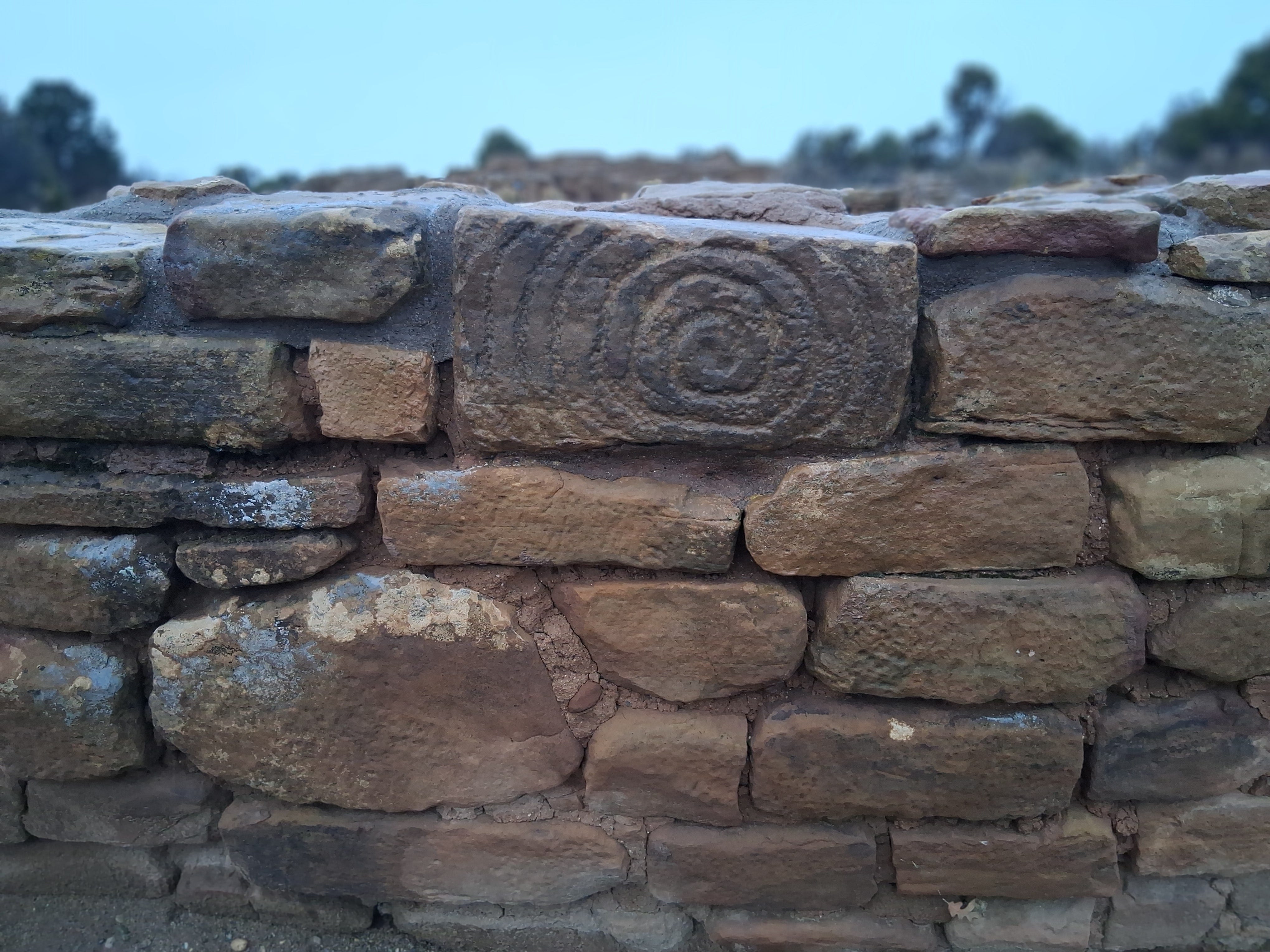
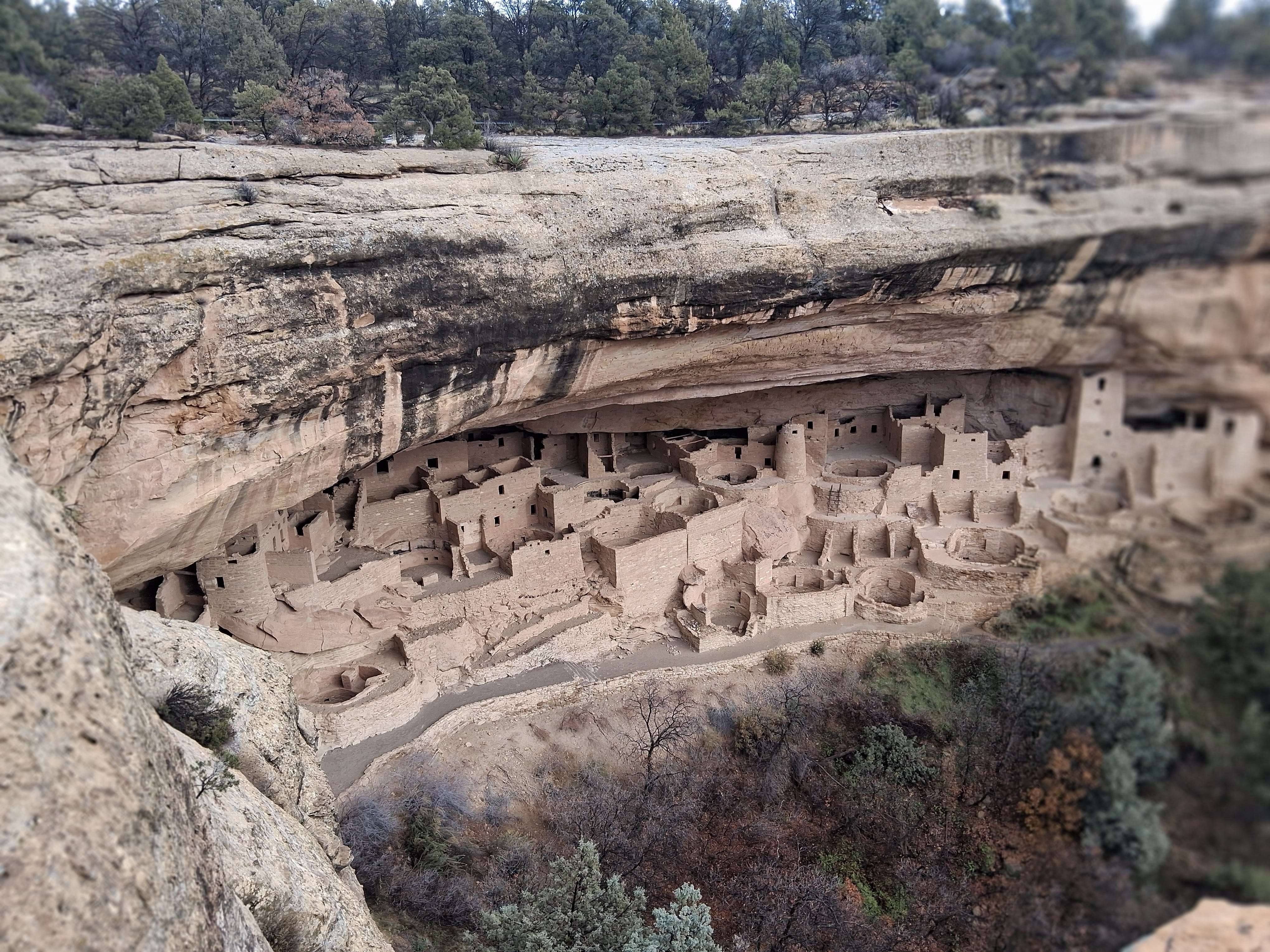
The mist followed us through these snow capped mountains, over icy passes and down into the arid flat valley of Mesa Verde National Park, where we entered the land of the ancients in a cloud of suspended water.
We couldn’t see beyond a few dozen yards in any direction, as the landscape veiled herself in mystery. Occasional cliffs, forests, deep valleys or arroyos would appear for a moment, and then vanish in the slow moving snow mist that engulfed the world around us.
By the time we reached the ticket booth, a winding 20 minute drive in, the clouds had lifted enough for us to see the pale blue sky above and to gauge the winding road below, leading us deeper into the National Park, deeper into the timeline of another world.
In the 1980’s, the French biochemist Jacques Benveniste made an incredible discovery about water that literally cost him his career. He found that water retains the imprint of a substance, long after the substance had been removed. The water molecules would behave as if the substance was still there, as if carrying the memory of what once touched it, even after that substance was gone.
It makes you think about the many potential imprints left in the waters of earth. The mountain spring, the valley, the stones and roots, the pipes, the faucets, the dawn soap and detergents, the tea kettles, the ice cube containers.
And considering the human body is made of around 60% water, how are the waters of our bodies storing and resonating with the frequency of our daily inner life? That conversation with my colleague, the buzz of the cell phone, the dream of swimming in a green lake, my habitual thoughts, the substances I put in and on my body, my fluctuating emotional landscape, the sound of the washing machine, the flickering florescent lights, the shape of my office, the songs I sing, the songs I listen to.
The Hopi people, whose ancestral tree ties them here to Mesa Verde National Park, have known and lived by these truths of water long before modern scientists began “discovering” it (see further modern studies on water: Gerald Pollack, Luc Montagnier, Masaru Emoto).
To the Hopi, and to many indigenous peoples across the planet actually, the water is a record keeper. A silent witness, a memory keeper. A reflection, an imprint of what we are and what we have done. A library of all that has happened: the thoughts, emotions, actions, dreams, words and events. The wars, the blood shed, the offerings made, the births, the tears, the trespasses, the oil wells, the conversations in the White House, the child in the bathtub. The birthing sea turtle. The swirling package of fruit roll ups. The hum of a power plant.
Water holds memory.
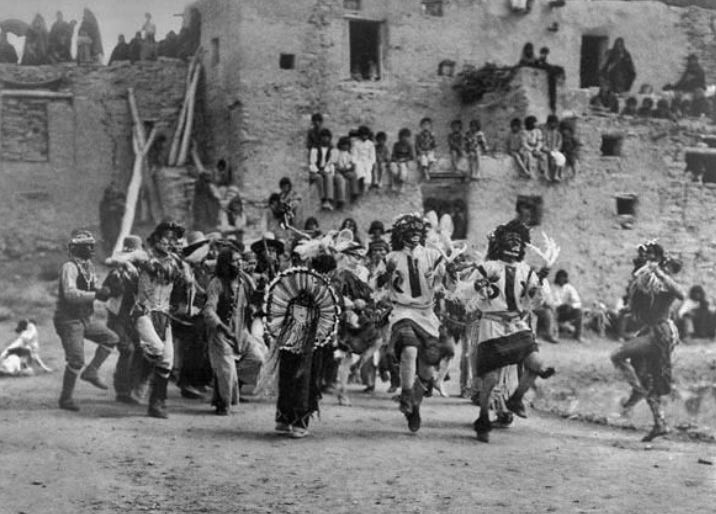
In an incredible video about Hopi prophecies and water, it is suggested that the Hopi rain dances, rather than being prayers for rain, were actually conversations with the living being that is water:
“For the Hopi, water is not simply gathered, stored or consumed, it is spoken to. Every ritual, every gesture toward the rain or the underground springs, is rooted in the belief that water listens, and more importantly, remembers. Their ceremonies are not performances for the sky, they are conversations with the conscious element that carries the memory of past worlds. The most iconic of these practices is the rain ceremonies, where dancers move in slow, deliberate rhythms, meant to mirror the natural pulse of falling water…To outsiders these rituals may appear as requests for rainfall, but in Hopi understanding, they are far more intimate. They are acts of imprinting harmony into water’s memory. The dancers are not begging for life, they are aligning themselves with it.
This same philosophy guides their reverence for underground springs which they view as sacred reservoirs untouched by modern imbalance. Elders describe these springs as the oldest listeners, ancient bodies of water still holding the clean memory of worlds before corruption. When the Hopi offer prayers, cornmeal, or quiet gratitude at these sites, they are not participating in superstition, they are engaging in memory work, gently influencing the vibration encoded within the water, that will eventually flow into fields, bodies and dreams.”
✧
And if our goal is to restore harmony to Mother Earth and ourselves (inseparable), then how can we conduct ourselves in a way that imprints harmony in the water both inside and around us?
How does our language affect the water in our cells? How does the water respond to the emotions inside our bodies? Can the way I dress leave a positive imprint on the droplets of rain on my window? Can I dance in a way that imprints harmony into the living water in and all around me?
✧
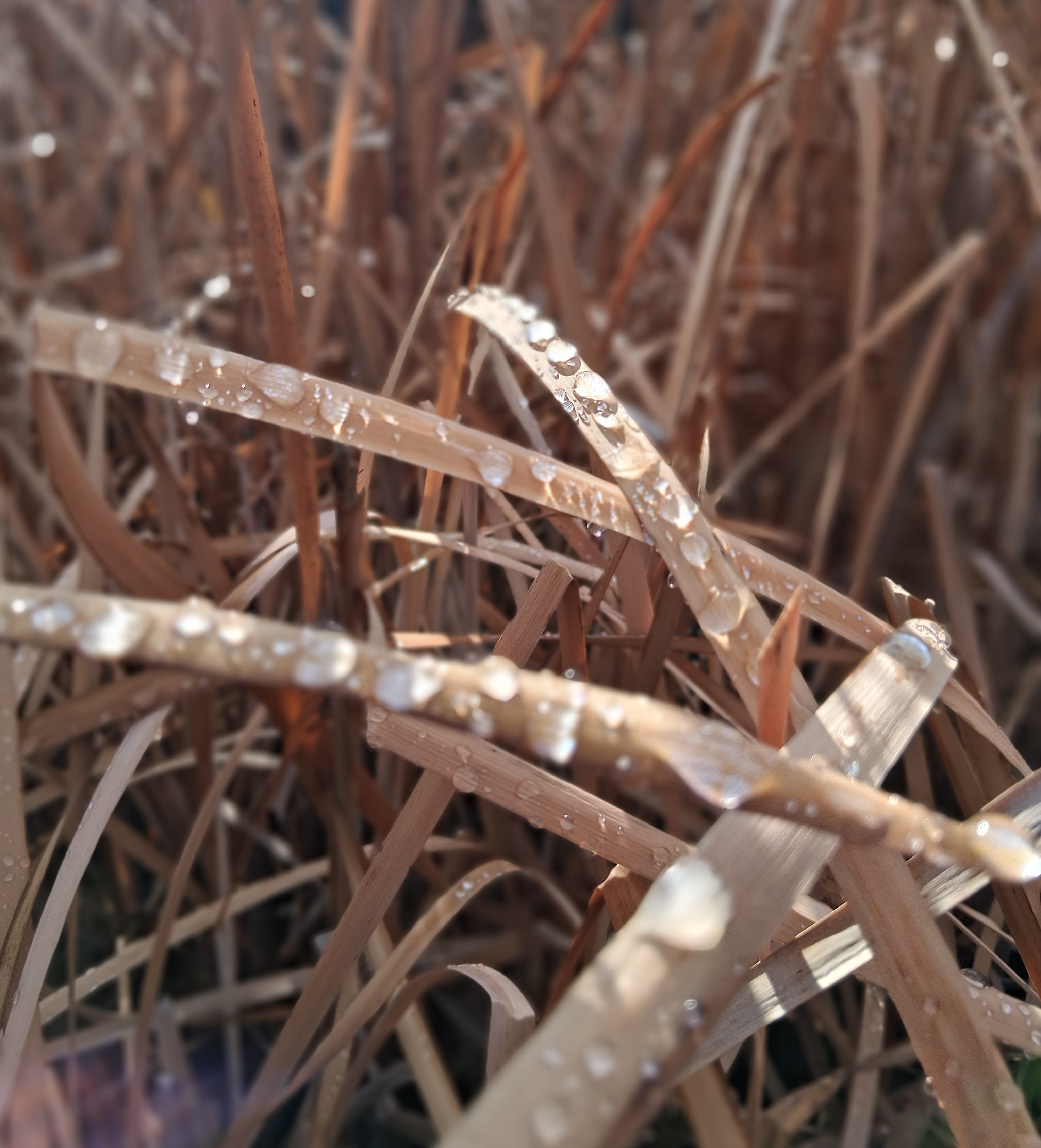
So, as we drive into this ancestral territory of an ancient people who were and are deeply rooted, connected and in living conversation with the aliveness of Earth, the mist accompanies us. It dew drops the windshield. It covers our hair in tiny pools. It makes our breath visible. It obscures the landscape.
I look around at this reflective, responsive substance, considering it alive and listening and I wonder: how can I engage with you, living being to living being?
Thank you for reading this edition of Wild Leaf, an undulating landscape of meaning, poetry and what it seems to be a mother in these times. Please click the little ❤️ at the bottom of the page here so more readers can find this publication. Paid subscriptions support these works in a big way, thank you. You can also always: Buy Me A Coffee.